Arabica vs Robusta: What's the Difference?
Almost every bag of coffee beans falls into one of two species, and the difference between them explains a lot about why some coffee tastes sweet and complex while other coffee tastes sharp, bitter, and instant-coffee-like. Here's what actually separates Arabica from Robusta — flavour, caffeine, growing conditions, and where each ends up in your cup.

The Short Answer
In one line: Arabica beans are sweeter, more complex, and generally considered higher quality, while Robusta beans are stronger, more bitter, and contain roughly double the caffeine. Most specialty coffee — including single origins and quality blends — is Arabica; Robusta is more common in instant coffee and some traditional espresso blends valued for extra crema and body.
What Is Arabica Coffee?
Coffea arabica is the more widely grown of the two main coffee species, accounting for roughly 60–70% of global production. It's prized for its sweetness, acidity, and complex flavour — the floral, fruity, and caramel notes coffee lovers chase come almost entirely from Arabica. It's also a more delicate plant, growing best at higher altitudes (roughly 600–2,000 metres) and more vulnerable to pests and disease, which makes it more labour-intensive and generally more expensive to produce.
What Is Robusta Coffee?
Coffea canephora, commonly called Robusta, makes up most of the remaining global production. It grows at lower altitudes, tolerates heat and pests far better than Arabica, and produces a higher yield per plant — all of which make it cheaper to farm. The trade-off is flavour: Robusta tends toward a harsher, more bitter, sometimes rubbery or earthy taste, with less of the sweetness and acidity that define specialty-grade Arabica.
Arabica
Sweeter, more acidic, complex flavour. Grown at higher altitude. Lower yield, more delicate plant. Roughly 60–70% of world production.
Robusta
Stronger, more bitter, earthier flavour. Grows at lower altitude. Higher yield, hardier plant. Roughly 30–40% of world production.
Arabica vs Robusta at a Glance
| Attribute | Arabica | Robusta |
|---|---|---|
| Caffeine content | ~1.2–1.5% | ~2.2–2.7% |
| Flavour profile | Sweet, complex, fruity/floral, higher acidity | Strong, bitter, earthy/nutty, lower acidity |
| Growing altitude | ~600–2,000 m | ~0–800 m |
| Plant hardiness | Delicate, disease-prone | Hardy, disease-resistant |
| Global production share | ~60–70% | ~30–40% |
| Most common use | Specialty coffee, single origins, quality blends | Instant coffee, some espresso blends for crema/body, budget blends |
Which Has More Caffeine?
Robusta, by a wide margin — roughly double the caffeine content of Arabica. That higher caffeine content is actually part of the plant's natural pest defence, since caffeine is mildly toxic to insects. It's also part of why Robusta tastes more bitter: caffeine itself contributes bitterness, and Robusta simply has more of it.
Which Tastes Better?
This one comes down to preference, but the coffee industry's general consensus leans heavily toward Arabica for quality and drinkability on its own. Arabica's higher sugar content and lower bitterness produce the sweetness, brightness, and layered flavour that specialty coffee is built around. Robusta isn't automatically "bad" — good-quality Robusta has its place, adding body and a thicker crema to some traditional Italian-style espresso blends — but on flavour complexity alone, Arabica is the clear preference for most drinkers.
Why Specialty Coffee Favours Arabica
Specialty roasters build their reputation on flavour, which is why Arabica dominates that end of the market. Growing regions known for specialty-grade coffee — Panama, Guatemala, Colombia, Ethiopia, Brazil, and similar high-altitude origins — are classic Arabica territory, prized for exactly the sweetness and complexity Arabica delivers. Our own blends are sourced from these same kinds of specialty-grade growing regions, crafted for the rounded, sweet, and layered character that defines quality Arabica coffee.
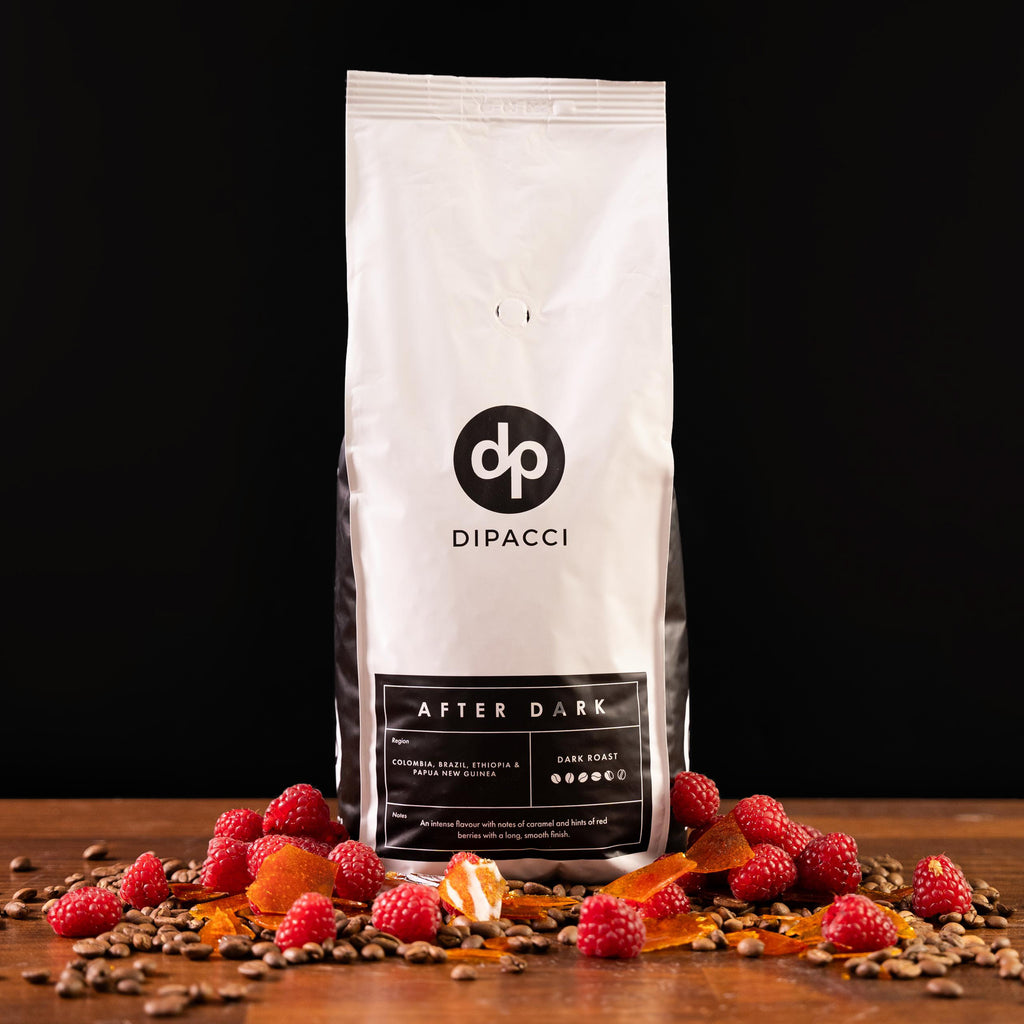
Bold, chocolatey, smoky
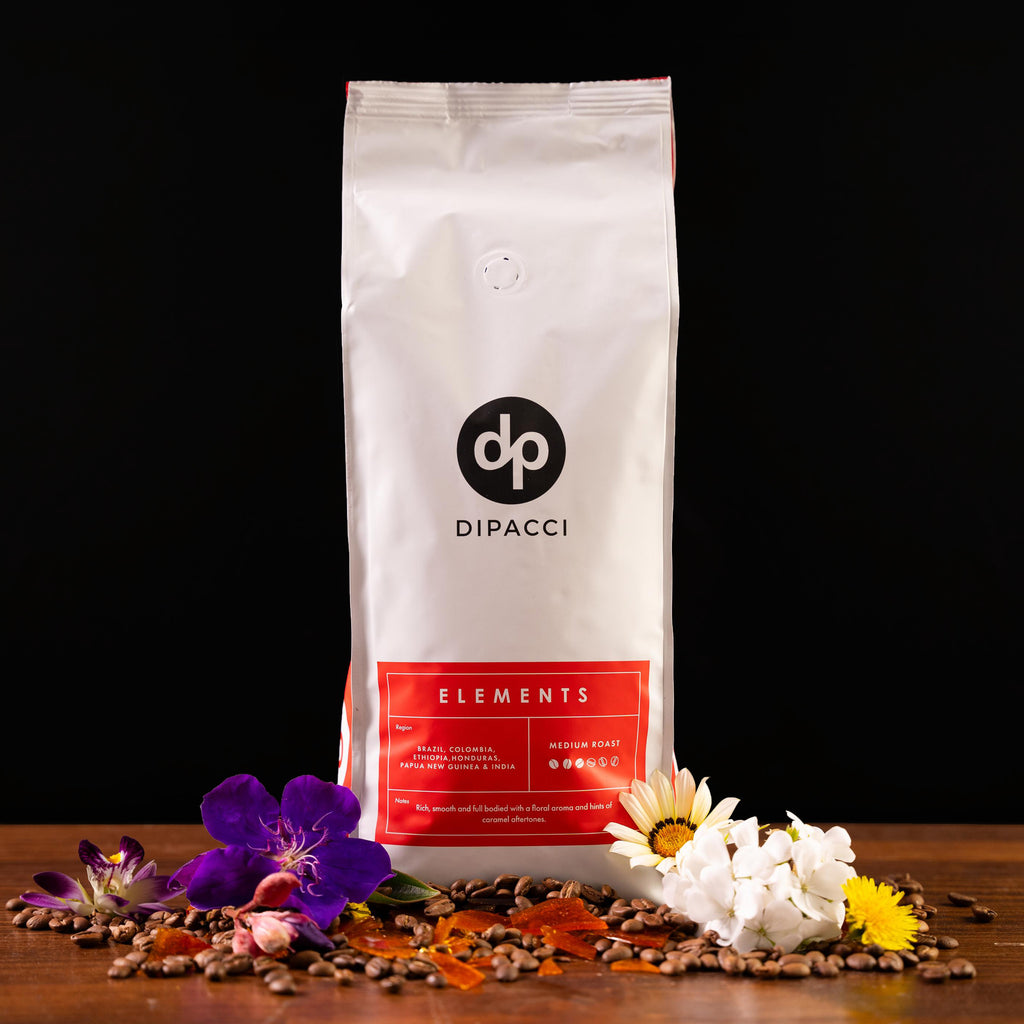
Rich, floral, caramel
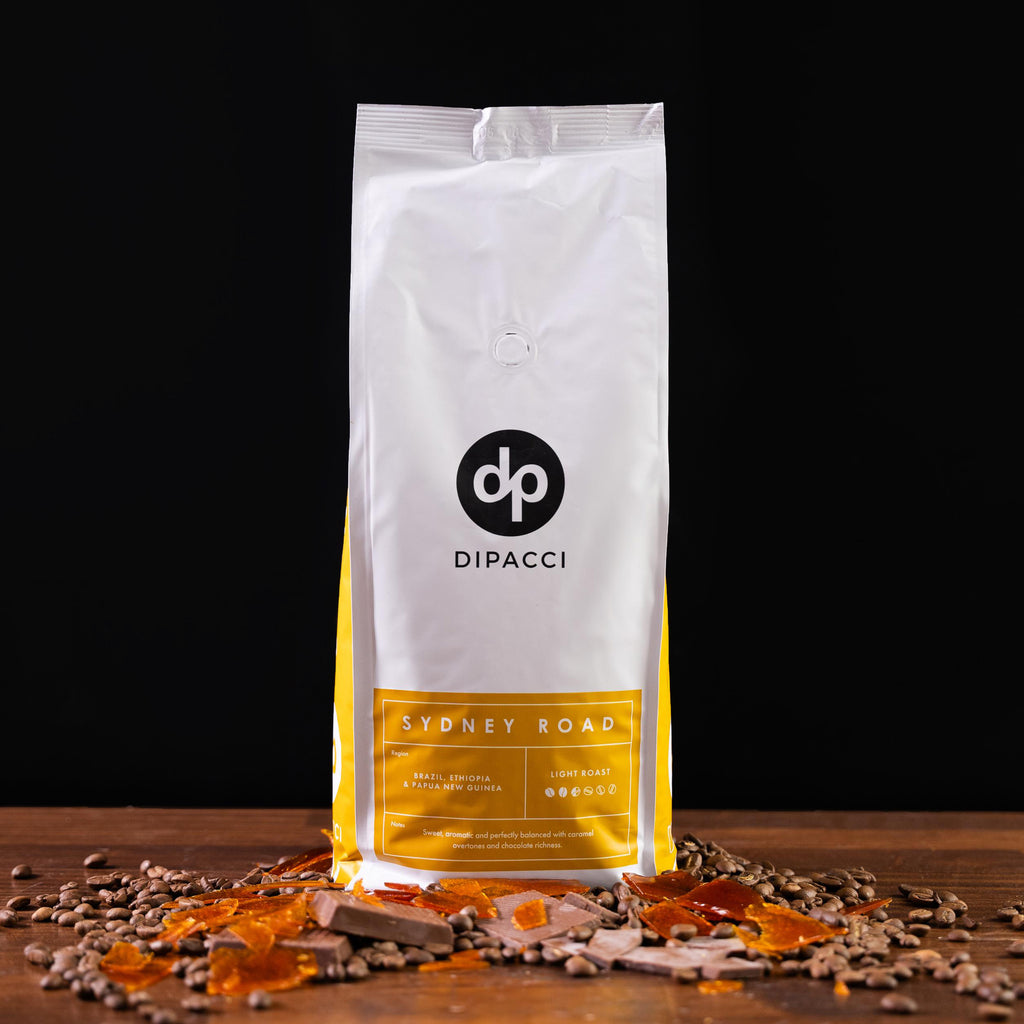
Cherry, cocoa, urban
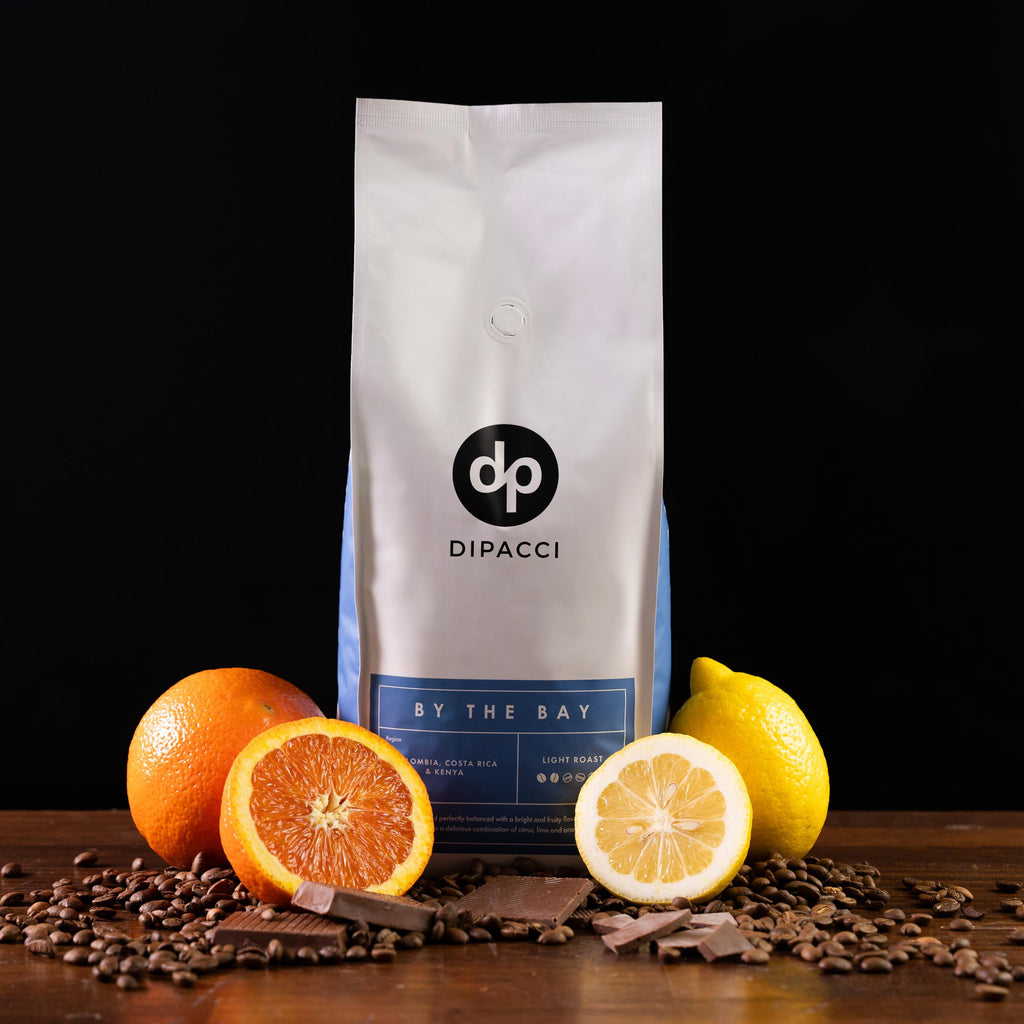
Floral, citrus, bright
For more on how origin and roast level shape flavour, see our guides to choosing the right coffee blend and the coffee roasting process.
Taste the Difference for Yourself
Explore our signature blends, roasted fresh at our Roselands roastery, or try all four with the sample pack.
Shop Coffee Blends