Cleaning & Descaling Your Espresso Machine
A great cup starts with fresh beans — but even the best coffee beans can't save a shot pulled through a dirty, scaled-up machine. Stale coffee oils and mineral buildup are two of the most common reasons a home espresso setup starts tasting flat, bitter, or just "off." Here's what to clean, how often, and how to descale properly without damaging your machine.

Why Cleaning Matters
Two very different things go wrong inside an espresso machine over time, and each needs a different fix.
Coffee residue — oils and fine grounds build up in the group head, portafilter basket, and steam wand. Left alone, these oils turn rancid and taint every shot with a bitter, stale taste, no matter how fresh your beans are.
Mineral scale — the calcium and magnesium naturally in tap water build up inside the boiler, pipework, and valves. Scale insulates the heating element (making the machine work harder and less consistently) and can eventually block narrow water pathways altogether.
Cleaning deals with the coffee residue; descaling deals with the mineral scale. A machine needs both, on different schedules.
Daily & Weekly Cleaning Tasks
Most of what keeps a machine tasting great is quick, cheap, and takes seconds — it's just easy to skip.
Every Day
- Purge the steam wand after every milk texturing, then wipe it down while it's still warm
- Knock out and rinse the portafilter basket after each shot
- Wipe the group head seal with a damp cloth to clear loose grounds
- Empty and rinse the drip tray
Every Week
- Backflush the group head with a blind basket (and cleaning detergent, if your machine supports backflushing) to shift built-up coffee oils
- Soak the portafilter and basket in a coffee-safe cleaning solution
- Deep-clean the steam wand tip, including the small holes, with a pin or brush
- Wipe down the drip tray and grate properly, not just a rinse
If your machine doesn't have backflush capability, check your manufacturer's manual for the recommended equivalent cleaning cycle — most machines will have one.
How Often Should You Descale?
This depends far more on your water than on your machine. Sydney's tap water sits at a moderate hardness, so most home machines need descaling more often than the "once a year" some manuals suggest for soft-water regions.
| Water & Usage | Suggested Frequency |
|---|---|
| Filtered water, light use (1–2 cups/day) | Every 2–3 months |
| Unfiltered tap water, moderate use | Every 4–6 weeks |
| Unfiltered tap water, heavy/daily use | Every 3–4 weeks |
| Any water, if scale is visibly building | Descale immediately, regardless of schedule |
Simplest fix: using filtered or filtered-jug water instead of straight tap water measurably slows scale buildup and stretches every descaling interval above.
How to Descale Your Machine
Every machine is a little different, so always check your manufacturer's manual for the exact cycle — but the general process looks like this:
1 Empty and prepare
Remove any water filter cartridge (descaling solution can damage some filters), empty the water tank, and remove the portafilter and any brewing baskets.
2 Mix the descaling solution
Use a descaling product designed for espresso machines, mixed to the ratio on its label — never a stronger mix than instructed, and never vinegar unless your manufacturer specifically permits it.
3 Run the descaling cycle
Follow your machine's built-in descale program if it has one, or run the solution through the group head and steam wand in short bursts, letting it sit inside the system for the time your manual specifies.
4 Rinse thoroughly
Refill the tank with fresh water and run several full cycles through the group head and steam wand until no descaling solution taste or smell remains. This step matters — rushed rinsing is the most common descaling mistake.
5 Reassemble and test
Refit the water filter, portafilter, and baskets, then pull a shot and discard it before making coffee to drink — this clears any final residue from the lines.
Before you start: confirm your descaling product is safe for your specific machine, and always follow your manufacturer's instructions over general guidance like this — descaling the wrong way can damage seals, valves, and heating elements.
Signs You Need to Descale Sooner
- Slower brewing. Water is taking noticeably longer to flow through, or pressure has dropped.
- Louder operation. A scaled boiler often makes more noise as it heats.
- Inconsistent temperature. Shots or steamed milk feel cooler or hotter than usual, batch to batch.
- Visible white residue. Chalky deposits around the water tank, group head, or steam wand tip.
- Flat-tasting coffee that doesn't improve even with fresh beans and a clean portafilter.
Common Cleaning Mistakes
- Using the wrong cleaning agent. Dish soap and generic detergents can leave residue or damage seals — use products made for espresso machines.
- Skipping the rinse cycle. Leftover descaling solution in your next few shots is unpleasant and, over time, can affect seals.
- Only cleaning what you can see. The group head gasket and steam wand tip trap the most residue but are the easiest to skip.
- Waiting for visible scale. By the time scale is visible, it's often already affecting temperature stability and flow.
- Ignoring the manual. Generic advice like this guide is a starting point — always defer to your specific machine's instructions.
Tools That Help
A couple of accessories make cleaning day genuinely easier:
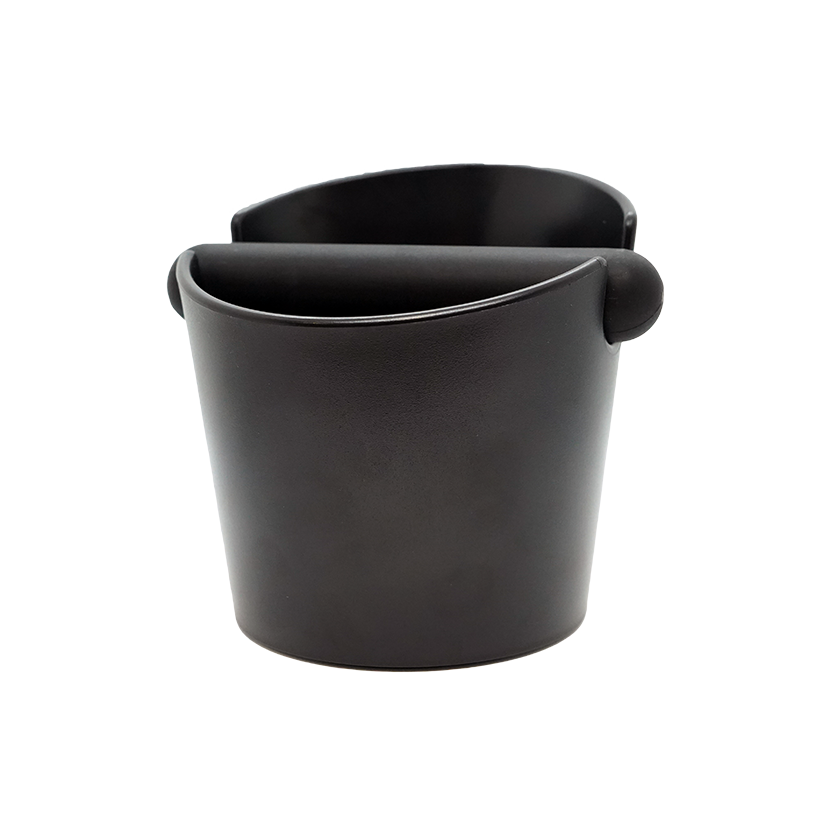
Keeps spent grounds off your bench and out of your drain, making daily cleanup quicker.
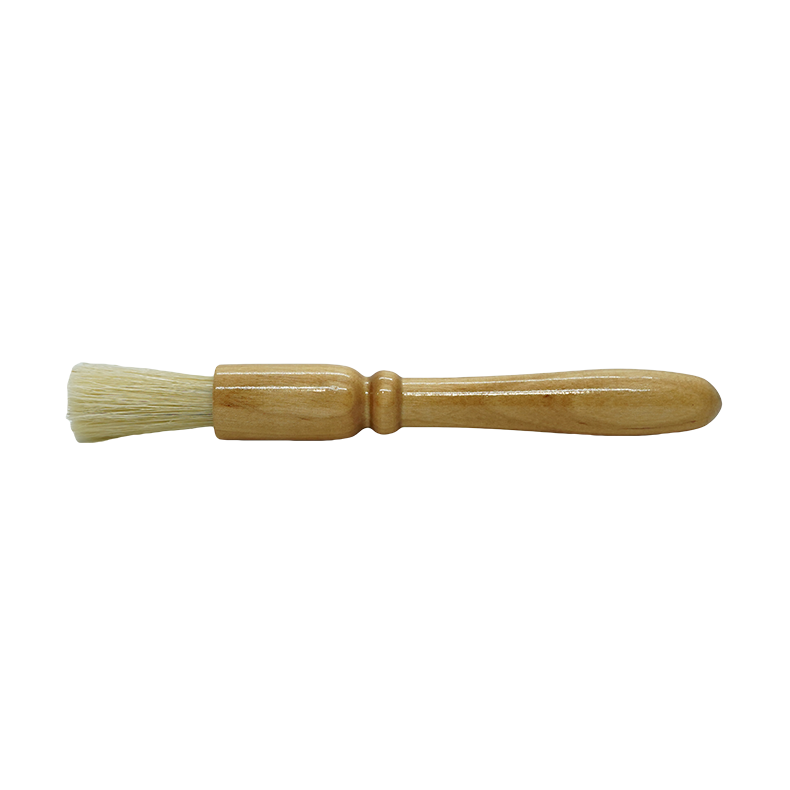
A soft-bristle brush for clearing grinder chutes and dosing funnels of stray grounds.
Keep Every Cup Tasting Its Best
A clean machine and fresh coffee beans go hand in hand. Explore our accessories range for cleaning and maintenance tools, or shop this week's roast.
Shop Coffee Accessories