How Long Do Coffee Beans Stay Fresh? Storage Tips That Work
Buying great coffee beans is only half the job — how you store them decides whether that freshness actually makes it into your cup. Here's exactly how long coffee stays fresh, what causes it to go stale, and the storage habits that make the biggest difference.

The Short Answer
In one line: Whole bean coffee tastes best in the first 1–3 weeks after roasting and stays good to drink for around 2–3 months if stored airtight, away from light, heat and moisture. Ground coffee loses its peak flavour in days, not weeks — grind only what you need, right before you brew.
Coffee doesn't have a hard expiry date the way milk does — it doesn't "go off" in a way that's unsafe to drink. What actually happens is a slow, steady loss of the aromatic compounds that make coffee taste like coffee, rather than a flat, cardboard-like version of it.
Why Coffee Beans Go Stale
Two separate processes are at work, and they happen on different timelines.
Degassing. Freshly roasted beans release carbon dioxide for days after roasting. That's actually a good sign of freshness — but too much CO₂ still in the beans can interfere with extraction. That's why we recommend resting beans 5–10 days after the roast date before pulling espresso, as covered in our guide to the coffee roasting process. Other brew methods, like filter or plunger, are more forgiving and can handle beans a little sooner.
Oxidation. Once that initial degassing settles, the bigger long-term threat is oxygen reacting with the oils in the beans — the same basic process that turns nuts or oil rancid over time. This is the slow decline that eventually flattens flavour altogether, and it's the one storage can actually control.
Freshness Timeline: Whole Bean vs Ground
| Stage | Whole Bean | Ground Coffee |
|---|---|---|
| Rest before brewing | 5–10 days (espresso) | Grind fresh — don't rest ground coffee |
| Peak flavour window | ~1–3 weeks post-roast | Best within 30 minutes of grinding |
| Still good to drink | Up to 2–3 months, stored airtight | 1–2 weeks, stored airtight |
| Flavour noticeably faded | After ~3 months | After ~2 weeks |
Ground coffee's massive increase in surface area is why it stales so much faster — every ground particle is exposed to oxygen, not just the outside of a whole bean.
The 4 Enemies of Fresh Coffee
Air
Oxygen oxidises the oils in coffee, the main driver of staling over time.
Light
UV exposure breaks down aromatic compounds — clear jars look nice, but fade flavour fast.
Heat
Warmth speeds up every staling reaction — keep beans away from ovens, stovetops and sunny benches.
Moisture
Humidity encourages mould risk and dulls flavour — always reseal containers properly.
How to Store Coffee Beans Properly
- Keep it airtight. An opaque, airtight container beats the original bag once it's been opened and resealed a few times.
- Store somewhere cool and dark. A pantry or cupboard works better than a spot near the stove or a sunny windowsill.
- Buy what you'll use in 2–4 weeks. Smaller, more frequent orders beat one large bag that sits half-used for months.
- Grind just before brewing. If you can, buy whole bean and grind fresh each time rather than pre-grinding.
- Reseal properly, every time. Press out excess air and fold or clip the bag tightly after each use.
Should You Freeze Coffee Beans?
It's a genuinely useful option in one specific case: if you've bought more coffee than you'll get through in the next month, freezing a portion in a truly airtight, moisture-proof container can meaningfully slow staling for longer-term storage.
Where it goes wrong is repeated freeze-thaw cycles — pulling the same container out, using some, and refreezing it introduces condensation and moisture that damages the beans faster than just leaving them on the counter. If you freeze coffee, portion it out first so each container only gets thawed once.
For coffee you'll finish within your normal 2–4 week window, skip the freezer altogether — a good airtight container at room temperature does the job better.
Signs Your Coffee Has Gone Stale
- Flat, muted flavour that tastes dull rather than actively bad.
- A papery or cardboard-like taste instead of the blend's usual notes.
- Little to no crema on espresso shots, even with a good technique.
- Little to no aroma when you open the bag or container.
- Dry, dull-looking beans — fresh beans typically have a faint sheen from natural oils.
Store It Right
The right container makes good storage habits effortless:
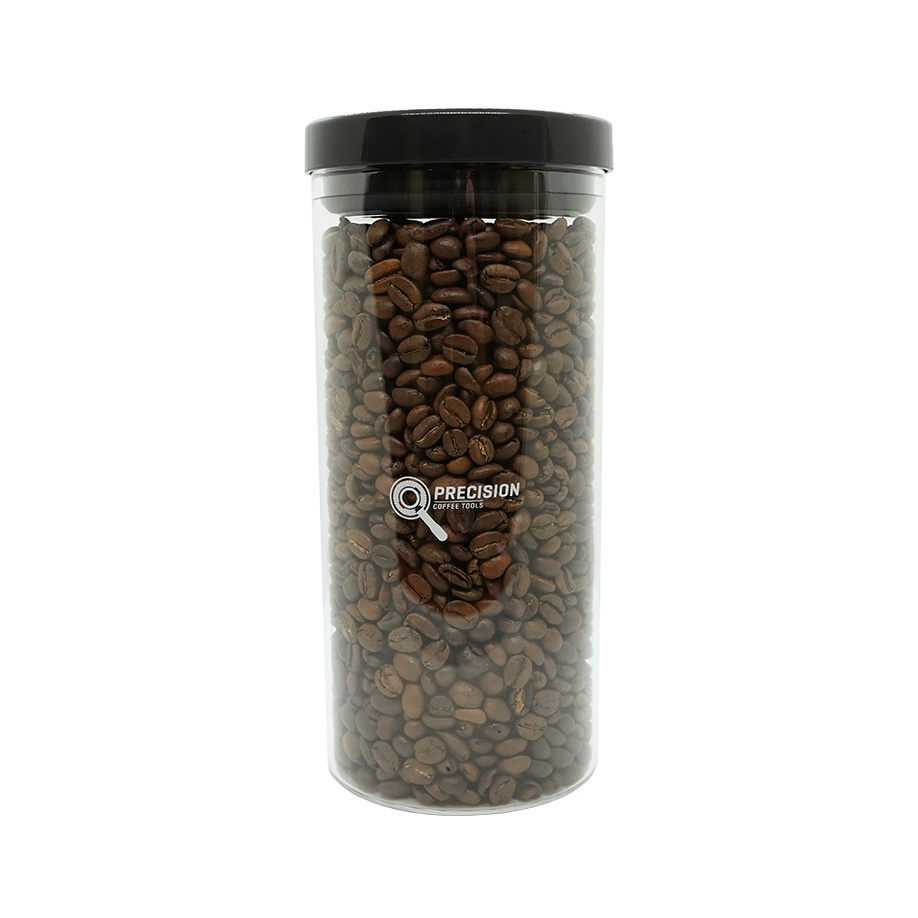
Holds approx. 500g of beans with an air-tight lid designed to keep coffee fresher for longer.

Smaller portions across all four blends — an easy way to always brew from a freshly opened bag.
How Dipacci Keeps Your Coffee Fresher
The single biggest lever on freshness isn't storage at all — it's how long the coffee sat before it reached you. We roast to order at our Roselands roastery and dispatch quickly, so the beans you receive are already close to their peak flavour window rather than months into decline before you've even opened the bag. Read more in our guide to how we roast at Dipacci.
Taste the Difference Fresh Makes
Order coffee beans roasted to order, not sitting on a shelf. Explore our signature blends or start with the sample pack.
Shop Coffee Blends