What Is a Coffee Roaster? From Green Bean to Your Cup
Coffee does not start out brown, brittle or fragrant. It starts as a pale, dense seed that smells grassy and tastes of very little. The step that changes it is roasting, and the person, business or machine that does it is called a coffee roaster. This guide explains what a coffee roaster is, what a roaster actually does all day, how a green bean turns into the coffee you brew, and what separates a careful roaster from an average one.

- The short answer
- Two meanings of coffee roaster
- What does a coffee roaster do?
- From green bean to roasted bean
- Types of coffee roasting machines
- What a roaster controls
- Roast levels and flavour
- Roaster vs barista vs café
- Why the roaster matters
- How Dipacci roasts
- Can you roast coffee at home?
- How to choose a coffee roaster
- FAQs
The Short Answer: What Is a Coffee Roaster?
The short answer: A coffee roaster is both a machine and a craft. The machine heats raw green coffee beans until they turn brown and aromatic, and the roaster is the person or company that sources, roasts and packs the coffee. Roasting is the step that creates most of the flavour you taste in your cup.
Green coffee is the raw seed of the coffee cherry. It is dried and stable, so it can be shipped and stored for a long time. Roasting applies heat in a controlled way, and that heat triggers hundreds of chemical changes. Sugars caramelise, acids break down, and aroma compounds form. Without roasting there would be no coffee as we know it.
Two Meanings of Coffee Roaster
People use the phrase in two ways, and both are correct. Context usually makes it clear which one is meant.
| Meaning | What it is | Example |
|---|---|---|
| The machine | Equipment that heats green coffee beans in a controlled way and then cools them | A drum roaster in a roastery, or a small home roaster |
| The business or person | The team that sources green coffee, roasts it, checks quality and sells it | A local roastery that supplies cafes and online customers |
What Does a Coffee Roaster Do?
Roasting is only one part of the job. A good roaster looks after the whole journey from raw bean to sealed bag:
- Sourcing and cupping: choosing green coffee from different growing regions and tasting samples to decide what is worth buying.
- Cleaning and storing: removing foreign material from the green beans and storing them properly until needed.
- Roasting: applying heat, airflow and time to a chosen profile so the beans develop the intended flavour.
- Cooling: stopping the roast quickly so the beans do not keep cooking in their own heat.
- Quality control: tasting and checking batches against a benchmark before they leave.
- Packing and dispatch: sealing the coffee to protect freshness and getting it to customers.
Each step affects the next. A roaster who skips careful cleaning or quality checks can have a perfect machine and still produce uneven coffee. We cover the full journey in our guide to the coffee roasting process.
From Green Bean to Roasted Bean: What Happens in the Roaster

Inside the roaster, the beans pass through several stages. The exact temperatures and timing vary by machine and profile, but the sequence is much the same everywhere. A typical roast takes somewhere around 8 to 15 minutes.
| Stage | What happens | Effect on the coffee |
|---|---|---|
| Drying | Heat drives off moisture and the beans turn from green to yellow | Sets up the even development of the roast |
| Browning | Sugars and amino acids react (the Maillard reaction) and the beans turn brown | Builds sweetness, body and the roasty aroma |
| First crack | Beans expand and pop as steam escapes, usually in the high 190s to low 200s °C | The coffee becomes drinkable and light roast flavour begins |
| Development | The roaster controls how long the beans continue roasting after first crack | Balances acidity, sweetness and bitterness |
| Second crack (darker roasts) | A second, quieter crackle as the bean structure breaks down | Deeper, smokier flavours and visible oils on the surface |
| Cooling | Beans are moved out and cooled rapidly with air | Locks in the flavour and stops the roast |
The roaster decides when to stop. Stopping soon after first crack gives a lighter roast that keeps more of the bean's origin character. Stopping later gives a darker roast with deeper, roastier flavours. Neither is better in every case, they are simply different flavours.
Types of Coffee Roasting Machines
Not all roasters are built the same way. The two most common designs differ in how they move heat to the beans.
| Type | How it works | Where you will see it |
|---|---|---|
| Drum roaster | Beans tumble inside a heated, rotating drum while air moves through it | The most common design in commercial roasteries |
| Air (fluid bed) roaster | Beans are lifted and heated by a stream of hot air | Some commercial and many small or home roasters |
Both designs can produce excellent coffee. Modern roasters add computer control, which lets a roaster save a profile and repeat it batch after batch. The machine matters, but the skill of the person running it, and the quality of the green coffee going in, matter more.
What a Coffee Roaster Controls
A roaster cannot change what the coffee is, but they can change how it tastes. The main levers are:
Temperature
How hot the drum and beans are, and how quickly the heat rises.
Time
How long each stage lasts, especially the development after first crack.
Airflow
How air moves through the roaster, which affects heat transfer and clarity.
Batch size
How much coffee goes in, which changes how the roast behaves.
Together these make up the roast profile, the plan for how a batch is heated from start to finish. Think of it as a recipe. A computerised roaster can repeat a profile precisely, which is how a blend can taste the same every time you buy it.
Roast Levels and What They Mean for Flavour

The point where the roaster ends the roast gives the roast level. Roast names are not standardised, so use them as a guide and read the tasting notes.
- Light roast: brighter and more aromatic, often floral, fruity or citrusy, with higher acidity.
- Medium roast: balanced sweetness and body, with caramel and chocolate notes.
- Dark roast: fuller body and lower acidity, with dark chocolate and roasty, smoky notes.
If you are deciding which suits you, our guide to the best coffee beans in Australia compares roast levels in detail, and Arabica vs Robusta explains the difference between the two main coffee species.
Coffee Roaster vs Barista vs Café
These terms are often mixed up. They describe different parts of the same chain.
| Term | What they do | Where they fit |
|---|---|---|
| Coffee roaster | Sources and roasts green coffee, then packs it | Makes the beans |
| Barista | Grinds, extracts and serves coffee drinks | Turns the beans into a drink |
| Café | A venue that serves coffee and food | Where most people drink it |
Many cafes buy their beans from a roaster rather than roasting themselves. Some roasters also run cafes, and some sell directly to customers online.
Why the Roaster Matters
Two roasters can start with the same green coffee and end up with very different results. What sets them apart:
- Green coffee quality: roasting cannot fix poor raw beans, so careful buying and cupping come first.
- Cleanliness: removing stones, metal and other debris protects both equipment and your cup.
- Consistency: repeatable profiles mean the bag you buy next month tastes like this one.
- Quality control: checking each batch before it ships catches problems early.
- Freshness: coffee roasted recently, and dispatched quickly, tastes better than coffee that has sat for months.
- Transparency: clear information on origin, roast level and roast timing.
How Dipacci Espresso Roasts

Dipacci Espresso roasts at its purpose-built roastery in Roselands, Sydney. The business grew from a single coffee cart in Marrickville set up by our founder, Michael Rababi, into a team of more than 20 specialists. Here is what the roastery looks like in practice, based on the details in our story:
Automated roaster
A fully automated roaster with computerised roast profiles.
Triple cleaning
Green beans pass through magnets and three-phase filtration, removing metal, rocks and timber.
Green bean silo
A 12-compartment silo holds 1,800 kg per compartment, 21,600 kg in total.
Batch checks
Batches are sample-roasted and evaluated against benchmark profiles before dispatch.
The roastery roasts fresh every weekday and ships to order. It is also powered in part by solar: more than 300 panels generate over 132,000 kWh a year, which covers roughly 70% of the roastery's energy use.
To taste the result, explore our signature coffee blends. Each is roasted at a different level, so you can compare how roast choices change flavour.
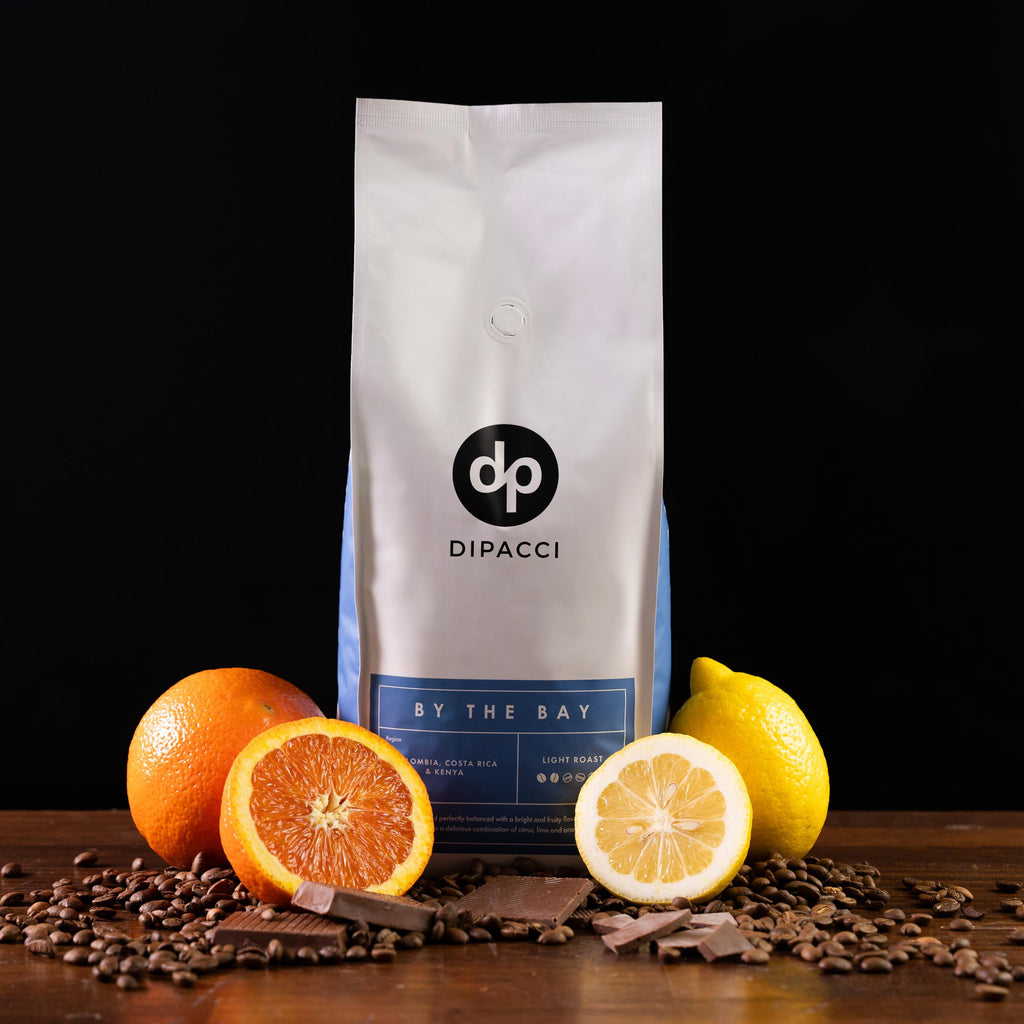
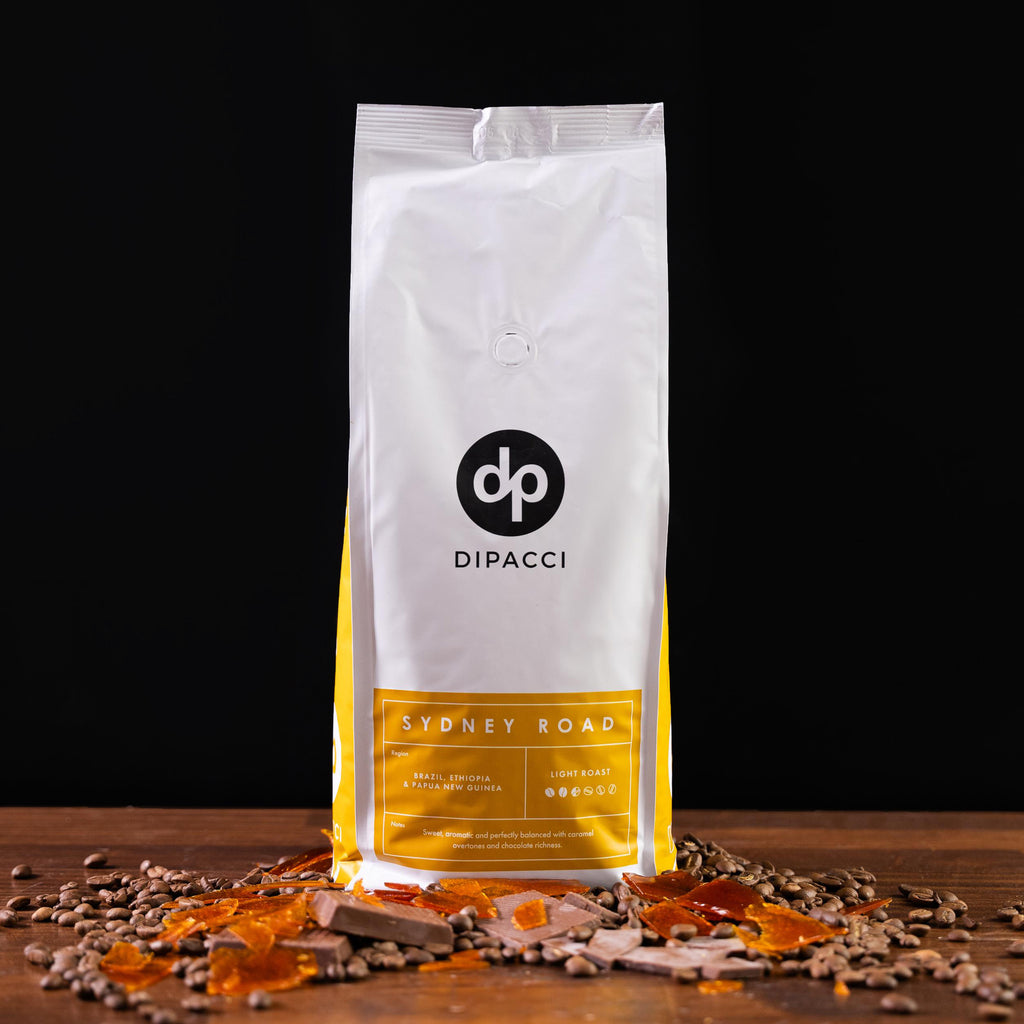
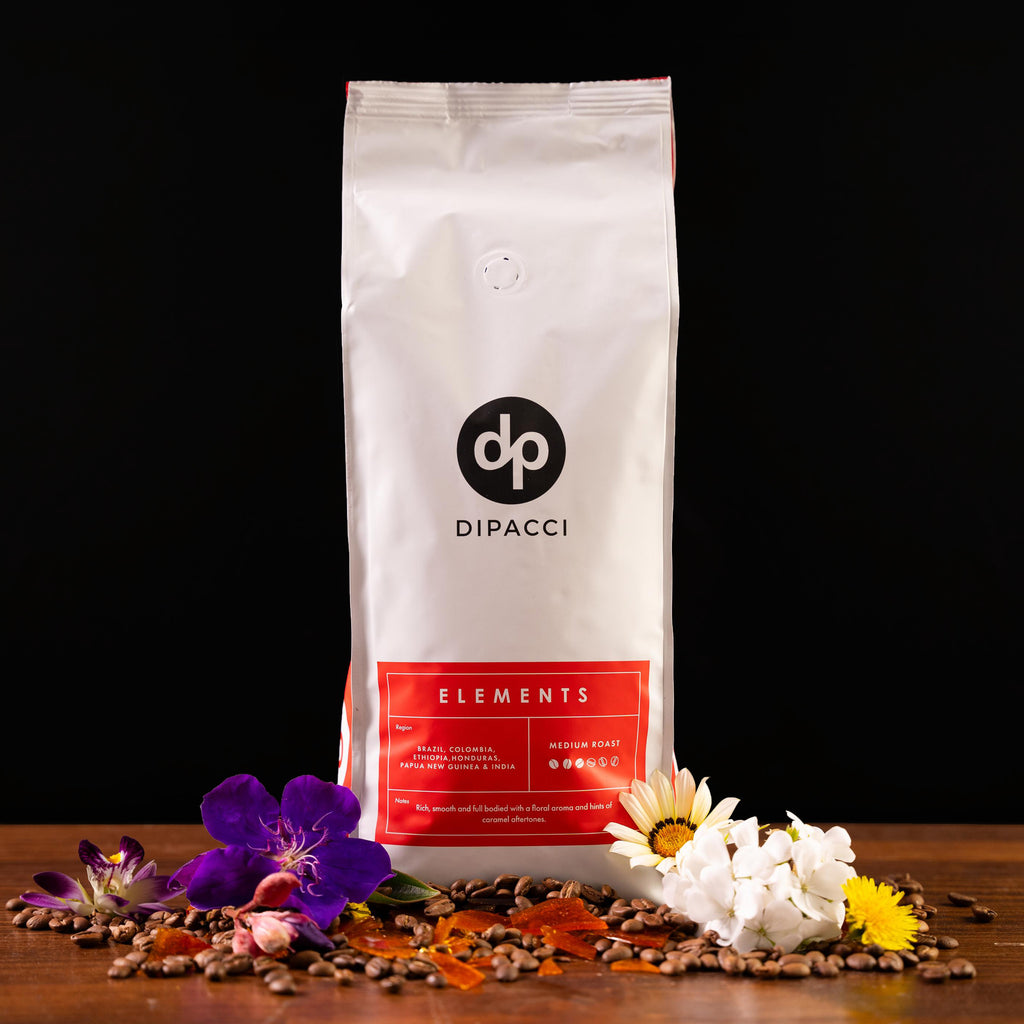
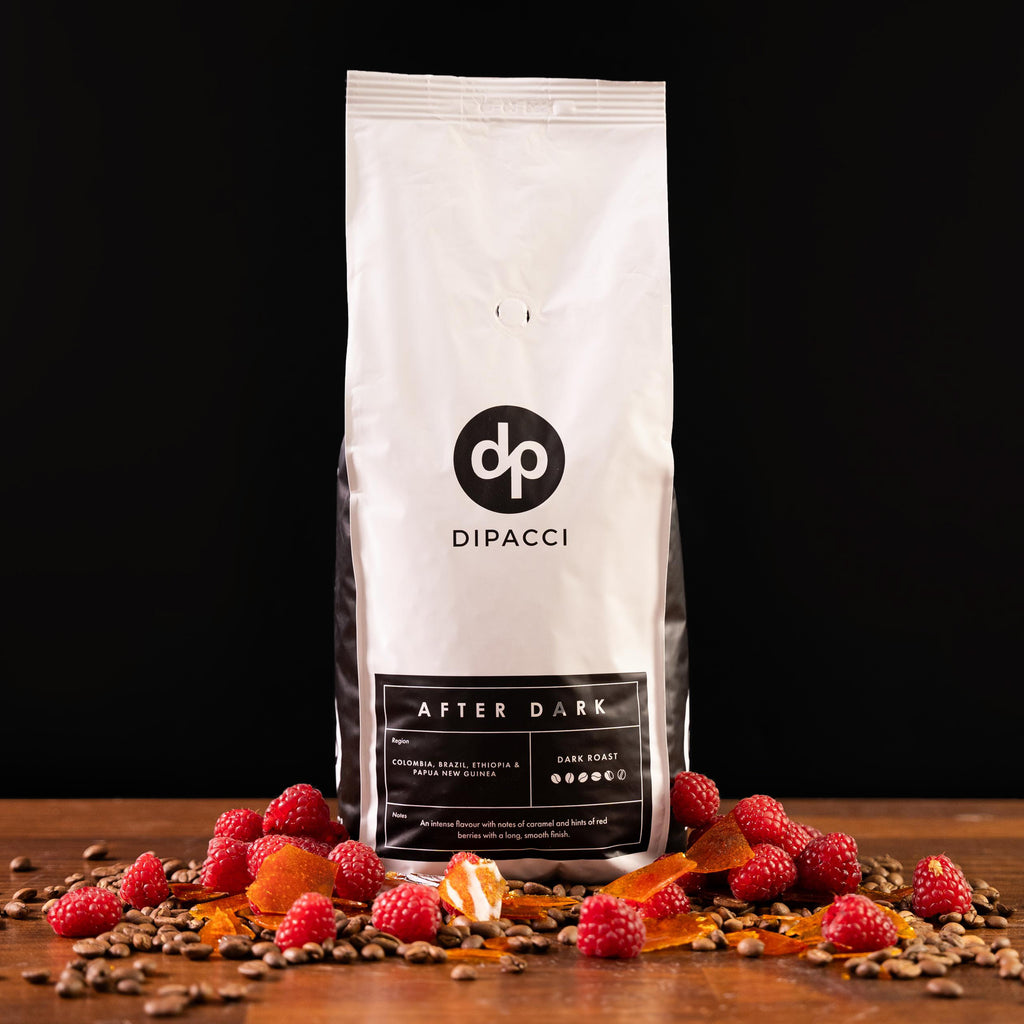
Intense and full-bodied, with deep caramel sweetness and subtle red-berry fruitiness.
Not sure where to start? The 4 x 250g sample pack includes all four blends. After roasting, we suggest resting espresso beans for around 5 to 10 days from the roast date, and our guide on how long coffee beans stay fresh explains why.
Can You Roast Coffee at Home?
Yes. You buy unroasted green beans and use a small home roaster, or a simple pan or oven method. It can be a rewarding hobby and teaches you a lot about how roasting changes flavour. The trade-offs are smoke, a learning curve and difficulty keeping results consistent from batch to batch. For most people, buying freshly roasted coffee from a roaster is easier and gives more predictable results.
How to Choose a Coffee Roaster
Whether you buy locally or online, a few simple checks tell you a lot about a roaster:
- Roast timing: a roast date, or a clear statement that coffee is roasted to order.
- Origin information: where the beans come from, ideally for each part of a blend.
- Roast level and tasting notes: so you know what to expect before you buy.
- Grind options and brewing advice: a good sign they understand how you will use the coffee.
- Quality processes: cleaning, cupping and batch checks, explained plainly.
- Real people to talk to: a roaster who answers questions is usually proud of the work.
If you would like to see the roastery or talk to us, you can visit our stores or get in touch.
Taste What a Good Roast Can Do
Browse our freshly roasted blends and single origins, choose whole bean or ground, or start with a sample pack to find the roast that suits you.
Shop Coffee Beans